|
Getting your Trinity Audio player ready...
|
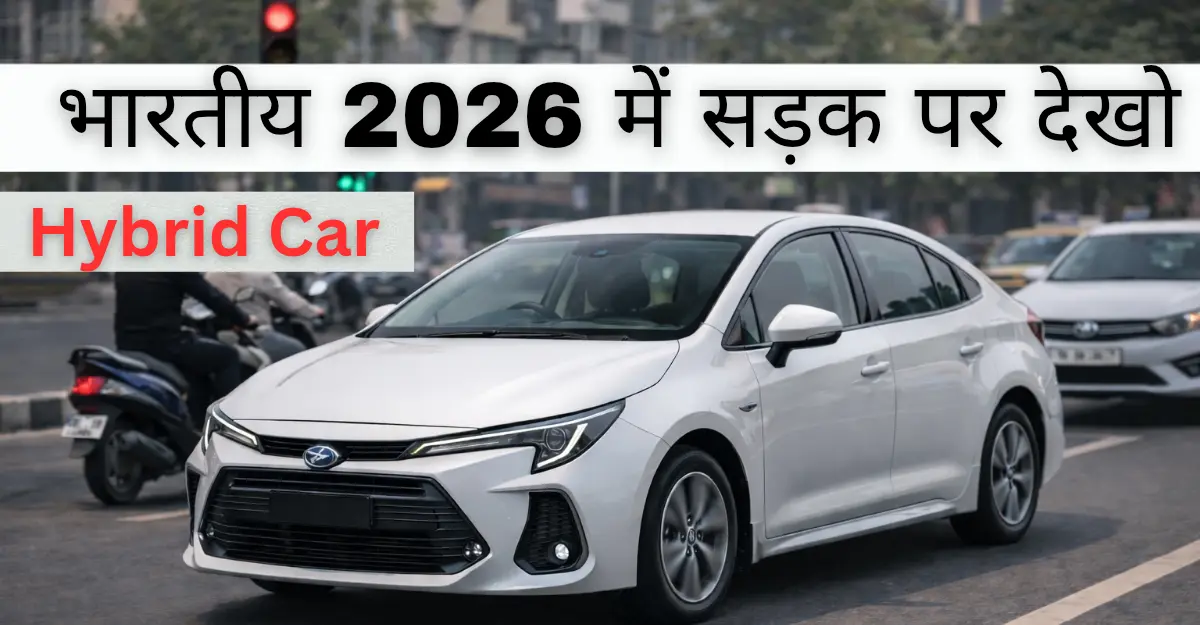
A few years ago, whenever someone mentioned a hybrid car, the reaction was usually confused silence. Not electric, not fully petrol — so what exactly is it? I had the same doubt. In fact, I used to think hybrids were just a temporary experiment that wouldn’t really work in India.
But after seeing how our roads, traffic, and fuel prices behave in real life, my opinion slowly changed. Today, hybrid cars are no longer just an “in-between option.” For many Indian drivers, they are quietly becoming one of the most practical choices available.
So what exactly is a hybrid car, and does it really suit Indian roads? Let’s talk honestly.
What Is a Hybrid Car, Explained Simply
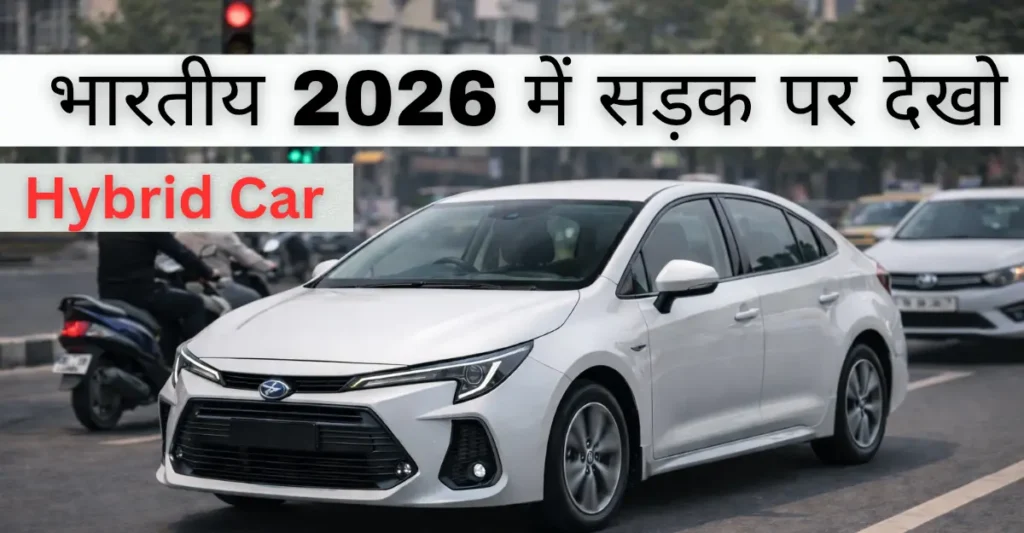
A hybrid car uses two power sources working together:
- A petrol engine
- An electric motor with a small battery
You don’t need to plug it in. The car automatically decides when to use petrol, when to use electric power, or when to combine both.
In slow traffic or at low speeds, the electric motor usually helps the most. When you speed up or drive on highways, the petrol engine takes over. The battery charges itself through braking and engine operation.
From the driver’s seat, everything feels normal. You just drive.
Read More: Maruti Suzuki Car Latest Line-up.
Read More: Renault Duster 2026.
Why Hybrid Cars Actually Fit Indian Roads Well
Indian driving conditions are tough. Long traffic jams, uneven roads, constant braking, and frequent stops are part of daily life. Petrol engines are least efficient in these situations — they burn fuel even when the car barely moves.
This is where hybrid cars shine.
In city traffic:
- The electric motor reduces petrol usage
- Fuel efficiency improves noticeably
- The car feels smoother and quieter
Instead of wasting fuel at every signal, the hybrid system quietly saves it. Over months of daily use, that difference becomes very real.
Many manufacturers have already adapted hybrid technology in India to suit traffic-heavy conditions, where efficiency matters more than outright performance.
Hybrid vs Petrol vs Electric: A Practical View
On paper, all three options look tempting. In real life, the difference becomes clearer.
Petrol cars are simple and cheaper upfront, but fuel costs keep rising, and city mileage often disappoints.
Electric cars are clean and silent, but the charging infrastructure is still uneven in many parts of India. For apartment dwellers or highway drivers, range anxiety is still real.
Hybrid cars sit comfortably in between. You don’t depend on charging stations, yet you still enjoy better mileage and lower fuel stress. For many buyers, this balance feels reassuring.
Are Hybrid Cars Reliable in Indian Conditions?
This is one of the most common concerns. The honest answer is yes.
Hybrid technology isn’t new globally. It has been tested for years in different climates. In India, hybrid systems are tuned for heat, dust, and long daily usage. Since the battery is smaller than those in EVs, it faces less stress and generally lasts longer than people expect.
For first-time buyers exploring new technology, hybrids feel less intimidating than full electric cars.
Maintenance and Battery Life: The Real Picture
Battery replacement is often exaggerated online. In reality:
- Hybrid batteries are built to last many years
- Manufacturers offer long warranties
- Failures are rare when the car is maintained properly
Maintenance costs usually sit slightly above petrol cars but below what many people fear. Fuel savings over time help balance this difference.
Are Hybrid Cars Expensive to Buy?
Upfront, yes — hybrid cars cost more than standard petrol models. But focusing only on the purchase price gives an incomplete picture.
If you drive daily in traffic:
- Fuel savings add up
- Engine wear reduces
- Driving feels less stressful
Over long ownership, the cost difference narrows. For people who keep cars for many years, hybrids often start to make financial sense.
Who Should Seriously Consider a Hybrid Car?
A hybrid car is worth considering if:
- You drive regularly in city traffic
- You want better mileage without charging worries
- You’re not ready to shift fully to an electric car
- You prefer a familiar driving experience
It may not be ideal if your usage is very low or if you’re strictly looking for the cheapest option upfront.
Final Verdict
Hybrid cars aren’t a compromise anymore. They are a practical solution designed for real-world conditions, especially in countries like India. They reduce fuel stress, handle traffic better, and prepare buyers for an electric future without forcing a sudden lifestyle change.
If you’re confused between petrol and electric, a hybrid might quietly be the smartest middle path.
Not exciting. Not trendy.
Just sensible — and on Indian roads, that matters more than people realise.