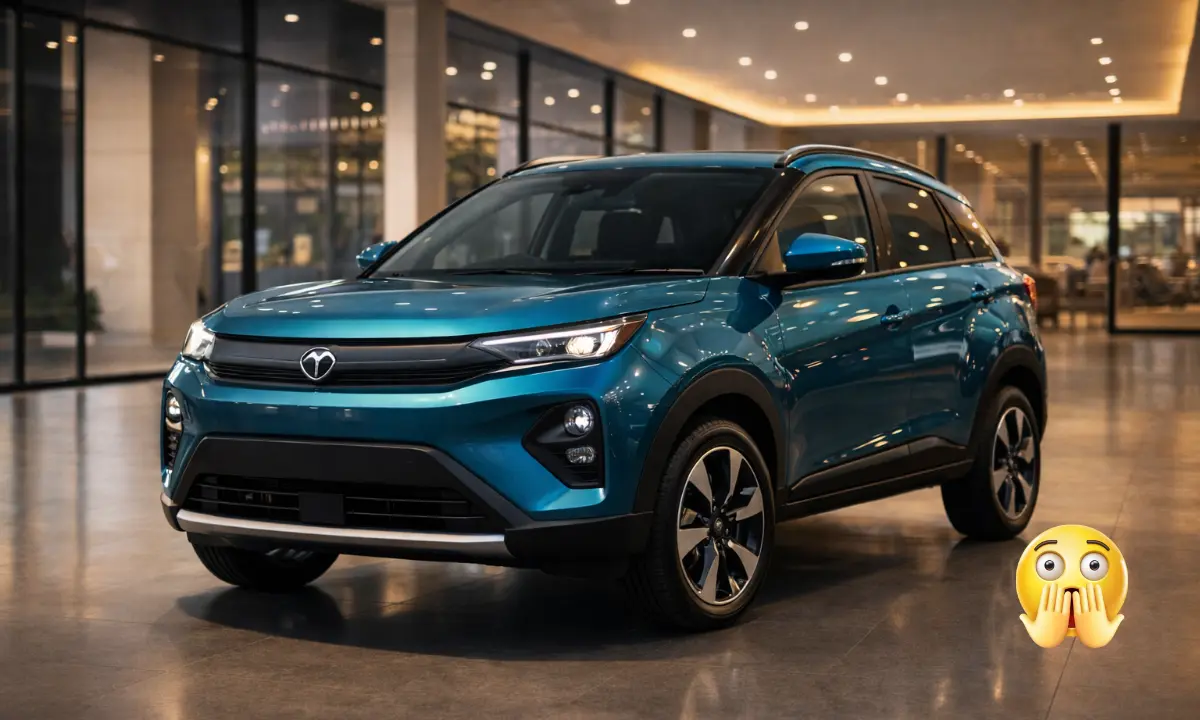
A few years ago, electric cars in India were treated like experiments. Buyers liked the idea but hesitated at the showroom. In December 2025, that hesitation looks outdated. Tata Nexon.EV becomes India’s first EV to cross 1 lakh sales, and Tata Motors has now crossed a combined 2.5 lakh EV sales across its electric portfolio. This moment clearly shows how quickly Indian buyers have embraced electric mobility.
Why This Achievement Is a Big Deal
Selling one lakh units of any car is impressive. Doing it with an EV in a price-sensitive market like India is even bigger. Buyers worry about range, charging, battery life, and resale. The Nexon.EV answered those concerns over time, not through marketing claims but through daily usage on Indian roads.
This milestone proves that EVs are no longer a niche choice limited to early adopters.
How Tata Nexon.EV Built Trust Among Indian Buyers
A Known Name Helped Reduce Fear
Tata did not launch an unfamiliar electric car. The Nexon was already popular as a compact SUV. Electrifying a trusted model made the decision easier for families upgrading from petrol or diesel.
Practical Range in Real Life
Most owners find the Nexon.EV delivers a usable city range that matches expectations. Office commutes, school runs, and daily errands happen without constant charging stress.
Safety Played a Key Role
Indian buyers care deeply about build quality. Tata’s strong safety reputation reassured customers that choosing electric did not mean compromising on protection.
Ownership Experience Improved Over Time
Charging Is No Longer a Major Roadblock
Home chargers, workplace charging, and public fast chargers have reduced range anxiety. Charging now fits naturally into daily routines for many users.
Service Support Has Matured
Early EV ownership came with learning curves. Today, Tata’s service network handles EV maintenance with more confidence, making long-term ownership easier.
What 2.5 Lakh EV Sales Mean for Tata Motors
Crossing 2.5 lakh EV sales positions Tata Motors as India’s clear EV leader. From Tiago.EV to Nexon.EV, Tata created options for different budgets. This scale gives the brand experience that new entrants still lack.
For competitors, this raises the bar. Buyers now expect proven reliability, not just attractive specifications.
Also, read a similar post.
2026 Maruti Suzuki Brezza Facelift May Finally Fix beggest CNG problem in India
Upcoming Car Model in 2026 Something under big.
Is Tata Nexon.EV Still Worth Buying in 2026?
Yes, for City-Focused Drivers
If most of your driving stays within city limits and you have access to charging, the Nexon.EV remains a strong choice. Running costs stay significantly lower than petrol cars.
Not Ideal for Everyone
Highway-heavy users without reliable charging access may still find conventional engines more convenient.
What This Means for India’s EV Future
When Tata Nexon.EV becomes India’s first EV to cross 1 lakh sales, and it sends a clear signal to the entire industry. EV adoption is real, scalable, and growing. Infrastructure, policies, and future models will now move faster because demand has been proven.
According to Tata Motors’ official EV sales data on its press page, Tata. ev has celebrated over 2 lakh electric vehicles on Indian roads, underscoring its strong leadership in the EV segment.
My Personal Take: Why This Milestone Feels Bigger Than Numbers
Having closely followed India’s EV journey over the years, I don’t see this as just a sales record. I see it as a shift in buyer psychology. When a car like the Nexon.EV crosses one lakh sales, which means people are no longer buying EVs to “try something new.” They are buying them to replace their petrol cars.
What impressed me most was not the speed of sales but the consistency. The Nexon.EV did not rely on hype cycles or short-term discounts. It grew slowly, corrected early mistakes, and improved ownership experience over time. That is exactly how trust is built in the Indian market.
From real owners I’ve spoken to, the biggest win has been predictability. They know what the car will cost them every month. They know charging fits into their routine. That confidence matters more than fancy features.
In my view, this milestone proves one clear thing: Indian buyers are practical, not emotional about technology. The Nexon.EV succeeded because it solved daily problems quietly. And that is why this achievement feels sustainable, not temporary.
FAQs
Is Tata Nexon.EV, the highest-selling EV in India?
Yes. It is the first electric car in India to cross one lakh sales.
Is EV ownership practical today?
For urban users with charging access, EV ownership is already practical and cost-effective.
Will Nexon.EV resale value remains strong?
Current demand suggests resale value should remain stable compared to many early EV models.
Should first-time buyers consider the Nexon?EV?
If daily usage is predictable and charging is available, it can be a sensible first car.