|
Getting your Trinity Audio player ready...
|
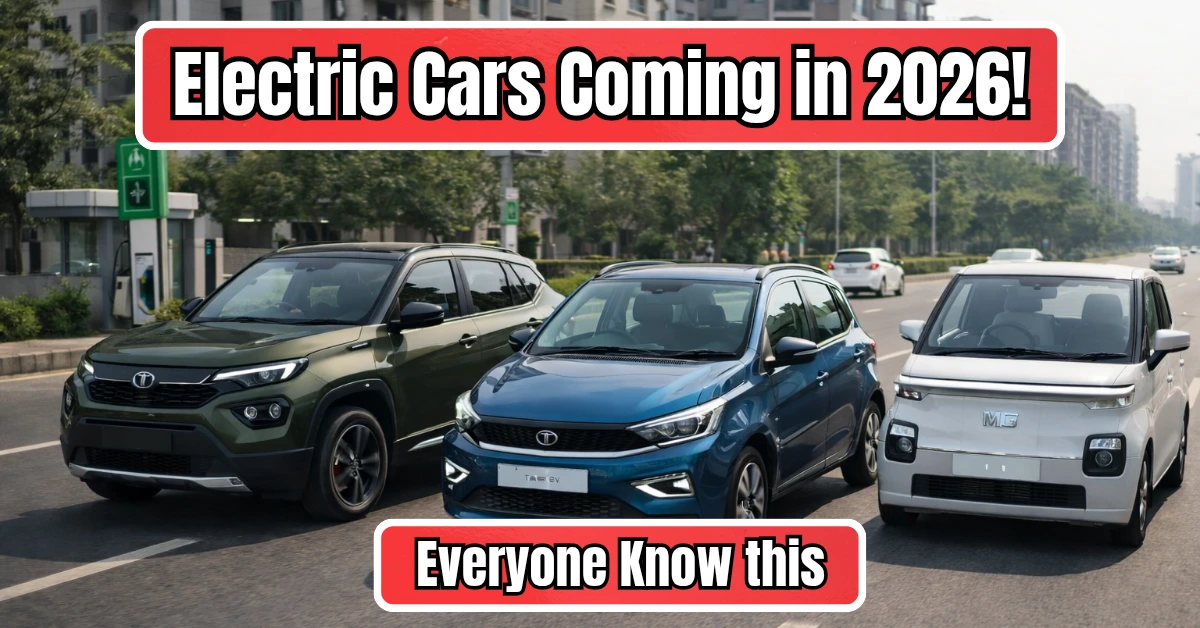
Lately, I’ve noticed something interesting. Conversations around petrol prices don’t sound as desperate as they used to. It’s not because fuel has suddenly become cheap — it hasn’t. It’s because more people are quietly looking at alternatives. And in 2026, affordable electric cars might finally become that realistic alternative for everyday Indian buyers.
For a long time, EVs felt either too expensive or too impractical. But that perception is starting to change.
Why 2026 Feels Like a Turning Point for Electric Cars
Electric cars in India have mostly lived at two extremes: either budget city-focused models with compromises, or expensive premium EVs out of reach for most buyers. What’s coming in 2026 feels different.
Manufacturers are now targeting:
- Lower battery costs
- Better real-world range
- Simpler, mass-market designs
The focus is no longer on showing off technology. It’s about making EVs usable, affordable, and less intimidating.
The Real Reason Petrol Anxiety Is Slowly Reducing
Petrol prices haven’t dropped, but buyer behaviour has shifted. Many families are now calculating:
- Monthly fuel spend
- Long-term ownership cost
- City driving patterns
For people who mostly drive within cities, electric cars make more sense than ever. Charging infrastructure is improving, and daily usage rarely demands an extreme range.
When buyers realise this, petrol stops being the default option.
Read More. Kia Seltos vs Hyundai Creta Comparison.
Read More. Tata Punch 2026 HBX editions price update.
What “Affordable EV” Actually Means in 2026
Affordable doesn’t mean cheap at any cost. In 2026, affordable electric cars are expected to:
- Sit closer to petrol hatchback pricing.
- Offer enough range for daily and weekly use.
- Keep running costs clearly lower than petrol cars.
The goal is not to replace every petrol car overnight, but to make EVs a logical choice, not an emotional gamble.
Range and Charging: The Two Biggest Concerns
Most buyers still ask the same two questions:
- How far can it go on one charge?
- Where do I charge it?
The good news is that upcoming EVs are being designed with realistic expectations. Instead of chasing huge range numbers, manufacturers are focusing on a consistent, dependable range that suits Indian driving habits.
Charging networks are also expanding steadily, especially in cities and along major highways. Home charging remains the biggest advantage — something petrol cars can’t offer.
How Affordable EVs Change Daily Ownership
This is where electric cars quietly win.
With EVs:
- Running costs are much lower.
- Maintenance is simpler
- Stop-and-go traffic feels less stressful.
For people tired of fuel bills and frequent service visits, this shift matters more than speed or flashy features.
Will Petrol Cars Become Obsolete? Not Yet.
It’s important to stay realistic. Petrol cars aren’t disappearing anytime soon. They still make sense for:
- Long-distance rural travel
- Areas with weak charging infrastructure
- Buyers who change cars frequently
But in urban India, petrol no longer feels like the only safe choice. That’s a big change.
What Buyers Should Start Thinking About Now
If you’re planning to buy a car in the next year or two, it’s worth asking:
- How much do I actually drive daily?
- Do I have access to home or workplace charging?
- Am I buying convenience or habit?
For many people, the answers are quietly pointing toward electric.
Final Verdict Electric Cars Coming to India in 2026
Petrol worries aren’t gone — but they’re no longer controlling the conversation. With affordable electric cars expected to arrive in 2026, Indian buyers finally have a third option that sits comfortably between cost, convenience, and practicality.
Electric cars won’t replace petrol overnight, but they no longer feel like a future experiment. For many city users, they’re becoming the smarter everyday choice.
And that’s why 2026 could be remembered as the year EVs stopped being “different” and started feeling normal.