|
Getting your Trinity Audio player ready...
|
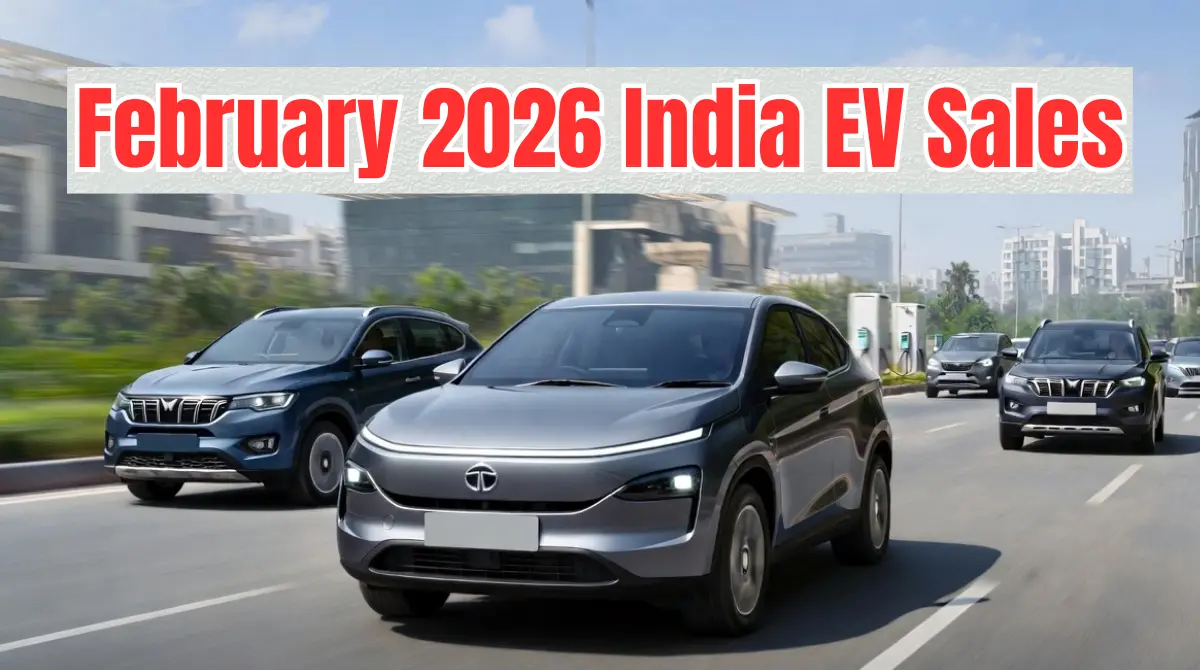
If you’ve been watching the electric vehicle space in India, one thing is becoming increasingly clear — EV adoption is no longer a niche trend. Every month, the numbers tell a story about how quickly the market is evolving. The February 2026 India EV sales data in India reveal two big takeaways. First, Tata Motors continues to dominate the electric passenger car market. Second, Mahindra & Mahindra is rapidly gaining momentum with its expanding EV lineup.
Together, these trends show that India’s electric vehicle race is entering a much more competitive phase.
Tata Motors Still Leads the EV Market
For the past few years, Tata Motors has built a strong lead in India’s EV ecosystem. Its early investment in electric mobility and wide product lineup helped it capture a large share of the market.
Models like the Tata Nexon EV and Tata Tiago EV continue to drive a significant portion of monthly EV sales.
Why Tata is still ahead:
- Early entry into the EV market
- Competitive pricing strategy
- Strong nationwide service network
- Continuous product updates and variants
For many buyers switching from petrol cars, Tata remains the most familiar EV choice.
Read More: Renault Duster Turbo Hybrid beast back on 17 March.
Read More: Maruti Suzuki S-Cross will be serviced in 2026.
Read More: Nissan Magnite dominates the family Indian road at 9L.
Mahindra’s EV Growth Is Turning Heads
While Tata still leads, February’s sales numbers show a noticeable surge from Mahindra.
Mahindra has been steadily expanding its electric strategy, and models like the Mahindra XUV400 are beginning to attract attention.
The company’s EV growth is supported by:
- Focus on electric SUVs
- Improved battery technology
- Increasing brand interest in electric mobility
For buyers who prefer SUV-style vehicles, Mahindra’s approach is starting to look more appealing.
Why February 2026 EV Sales Matter
Monthly EV sales numbers might seem like small updates, but they actually reveal bigger trends.
February’s figures highlight three important shifts in the Indian car market:
EV demand is becoming more stable, not just experimental.
More manufacturers are competing seriously in the EV space.
Buyers are beginning to trust electric technology for daily driving.
These signals suggest that EV adoption is gradually moving from early adopters to mainstream buyers.
What Is Driving EV Growth in India
Several factors are contributing to the rising EV sales across the country.
Key drivers include:
- Rising fuel prices
- Government incentives and EV policies
- Improved charging infrastructure
- Increasing awareness about electric mobility
As charging networks expand and battery costs decrease, electric vehicles are slowly becoming more practical for everyday drivers.
According to industry reports and EV market analysis available on EV Reporter, India’s electric vehicle
Adoption is steadily increasing each year.
Challenges Still Facing EV Adoption
Despite the growth, India’s EV market still faces a few hurdles.
Buyers often worry about:
- Charging infrastructure in smaller cities
- Long highway travel with EVs
- Battery replacement costs
- Higher upfront purchase price
Manufacturers are actively working on solutions, but these concerns still influence buying decisions.
What the Next EV Battle Could Look Like
The competition between Tata and Mahindra could shape the next phase of India’s EV market.
Tata’s strength lies in its established EV ecosystem, while Mahindra is pushing aggressively into electric SUVs and future EV platforms.
If more manufacturers enter the race with competitive models, buyers will benefit from:
- Better technology
- More affordable prices
- Wider vehicle choices
That competition is exactly what helps a market grow.
Final Verdict February 2026 India EV sales
The February 2026 EV sales in India clearly show one thing: the electric car market is gaining momentum.
Tata Motors still holds the lead, thanks to its early start and strong product lineup. But Mahindra’s growing presence indicates that the EV competition is heating up.
For buyers, this is good news. More competition usually means better technology, smarter pricing, and faster innovation.
And if the current trend continues, India’s electric vehicle market could look very different just a few years from now.