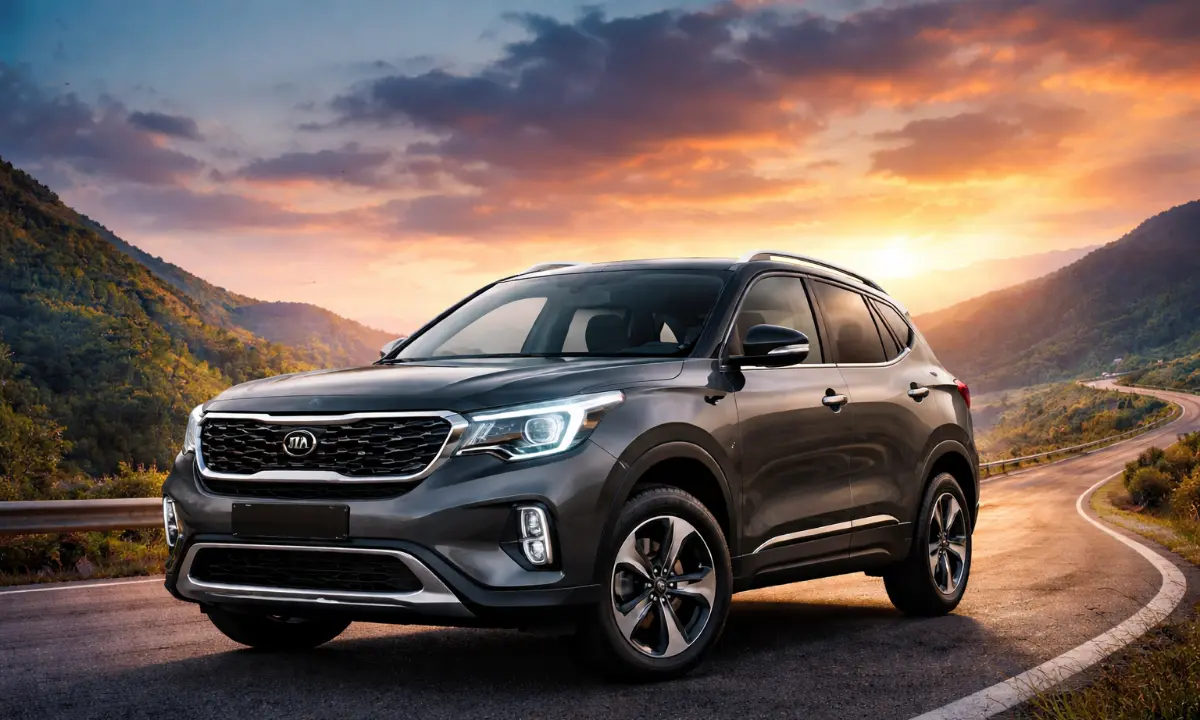
After driving more than 150 cars across Indian highways, broken city roads, and unpredictable traffic conditions over the last eight years, one thing has become clear to me: buyers no longer compromise on safety. Power, design, and features still matter—but safety now sits at the top of the checklist.
That’s exactly where the New Kia Seltos 2026 enters the conversation. With Kia focusing heavily on 24 safety features, the updated Seltos aims to fix one of the biggest concerns buyers had with earlier versions—confidence during real-world driving.
Let’s break this down logically, without hype and without assumptions.

Why Safety Is the Biggest Upgrade in the New Seltos 2026
Modern Indian roads don’t forgive mistakes. One sudden brake, one distracted rider, or one unexpected pothole can change everything.
Kia understands this reality. Instead of adding flashy gimmicks, the brand has clearly prioritised active and passive safety systems in the 2026 update. The goal feels simple: reduce driver stress and improve reaction time before things go wrong.
This shift aligns with evolving Global NCAP expectations, stricter regulations, and buyer awareness going into 2026.
Understanding the “24 Safety Features” Claim
When brands mention a number like “24 safety features,” it usually includes a combination of core, advanced, and electronic assistance systems—not just airbags.
In the case of the New Kia Seltos 2026, these features are expected to be spread across:
- Structural safety
- Occupant protection
- Electronic stability systems
- Driver assistance technologies
This layered approach matters more than the number itself.
Also, read a similar post
Maruti Swift review 2026 New Z-series.
Renault Duster Comeback in 2026.
Core Safety Hardware That Actually Matters
Passive Protection Systems
At the foundation level, the Seltos continues to focus on occupant protection. These systems work silently in the background, but they save lives when things go wrong.
Key elements include:
- Multiple airbags for front and rear occupants
- High-strength steel body structure
- Seatbelt reminders for all seats
These features don’t sound exciting—but they form the backbone of real safety.
Electronic Safety Systems for Indian Driving Conditions
Active Safety Layer
Indian traffic needs quick-thinking systems. Kia addresses this with electronic aids designed to prevent accidents, not just survive them.
Expected highlights:
- Electronic Stability Control
- Traction Control System
- Hill-start assist
From personal driving experience, ESC alone can prevent dangerous skids during sudden lane changes or wet-road braking.
Advanced Driver Assistance Systems (ADAS): Used Carefully
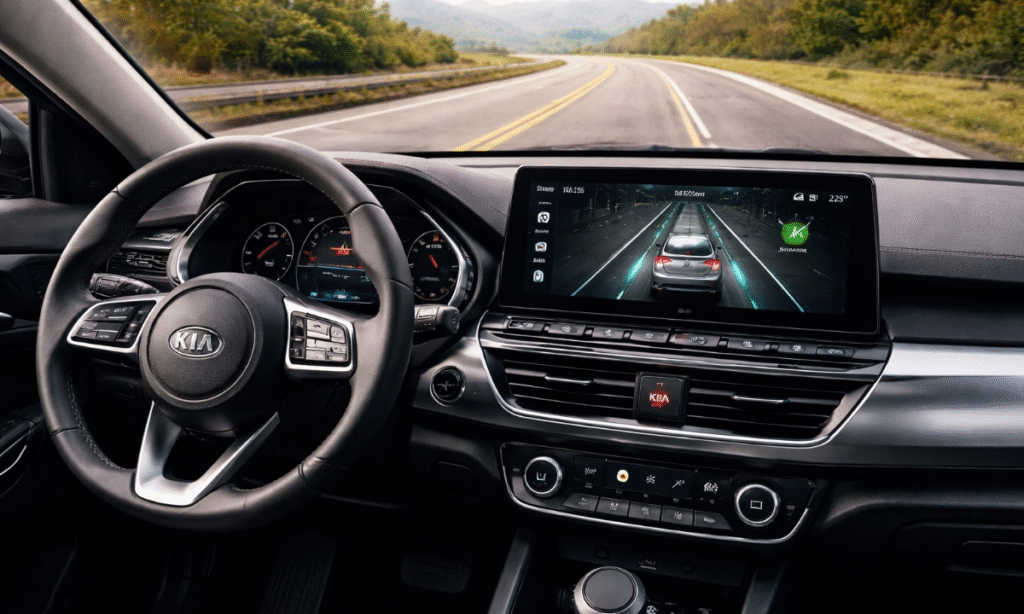
ADAS features sound futuristic, but their real value depends on calibration. Kia seems to take a balanced approach rather than overloading drivers with alerts.
Practical ADAS features may include:
- Forward collision warning
- Lane departure alerts
- Driver attention monitoring
According to Kia India’s official updates, the brand has focused heavily on improving safety standards in its latest models.
These systems assist rather than interfer and I am driving in india important for Indian traffic unpredictability.
How the New Kia Seltos 2026 Feels Behind the Wheel
Safety isn’t only about features—it’s about confidence.
During long drives, a well-tuned safety system reduces fatigue. The steering correction feels subtle. Brake assistance reacts early. Alerts feel informative, not irritating.
That balance makes the New Kia Seltos 2026 feel calmer and more mature than before.
Is This Upgrade Worth It for Buyers in 2026?
If you’re upgrading from an older compact SUV, the answer leans toward yes—especially if safety matters to you and your family.
For new buyers, the Seltos now feels more aligned with global standards while staying practical for Indian roads. Kia hasn’t reinvented the wheel—but it has strengthened it.
My Personal Opinion From Real Driving Experience
After spending years behind the wheel of SUVs in this segment, my honest take is simple: the New Kia Seltos 2026 finally feels complete.
Earlier versions of the Seltos always impressed with design and features, but safety felt like a conversation that Kia avoided instead of leading. With the 2026 update, that hesitation is gone. The focus on 24 safety features shows Kia is no longer selling just style—it’s selling reassurance.
What I like most is that these safety systems don’t feel forced. The alerts are subtle, the electronic aids work quietly in the background, and the car doesn’t behave like it’s trying to “teach” the driver how to drive. That balance matters, especially on Indian roads where over-sensitive systems can become more annoying than helpful.
This update also makes sense for buyers upgrading from older cars. You immediately notice reduced driver stress, better braking confidence, and improved stability at highway speeds. These are not features you show off to friends—but they are the ones that protect you when things go wrong.
If Kia maintains this direction and keeps safety consistent across variants, the Seltos 2026 could become a benchmark in its segment—not because of flashy tech, but because it finally puts driver and passenger safety first.
FAQs – New Kia Seltos 2026 Safety
Is the New Kia Seltos 2026 safe for families?
Yes. The focus on structural strength, airbags, and electronic safety systems makes it suitable for family use.
Does the Seltos 2026 include ADAS features?
Kia is expected to offer select ADAS features, designed for real-world usability rather than full automation.
Are all 24 safety features available in every variant?
Typically, advanced safety features appear in higher trims, while core safety systems remain standard.
Is the safety upgrade enough to justify buying in 2026?
If safety is a priority, the 2026 update makes the Seltos a more well-rounded choice than earlier versions.
Final Verdict
The New Kia Seltos 2026 with 24 safety features isn’t about chasing numbers—it’s about building trust behind the wheel. Kia seems to have listened to feedback and corrected its course.
In a market where buyers now ask “How safe is it?” before “Kitna deti hai?”, And this update arrives at exactly in India.