
I have driven multiple versions of the Tata Harrier over the years—on highways, broken village roads, and dense city traffic. So when people ask me about the Tata Harrier 2025 facelift, I don’t look at it as just another “update.” I look at it as Tata fixing real-world gaps while keeping the SUV’s strong personality intact.
This facelift isn’t about shouting all-new. It’s about polishing what already works and correcting what didn’t feel complete earlier.
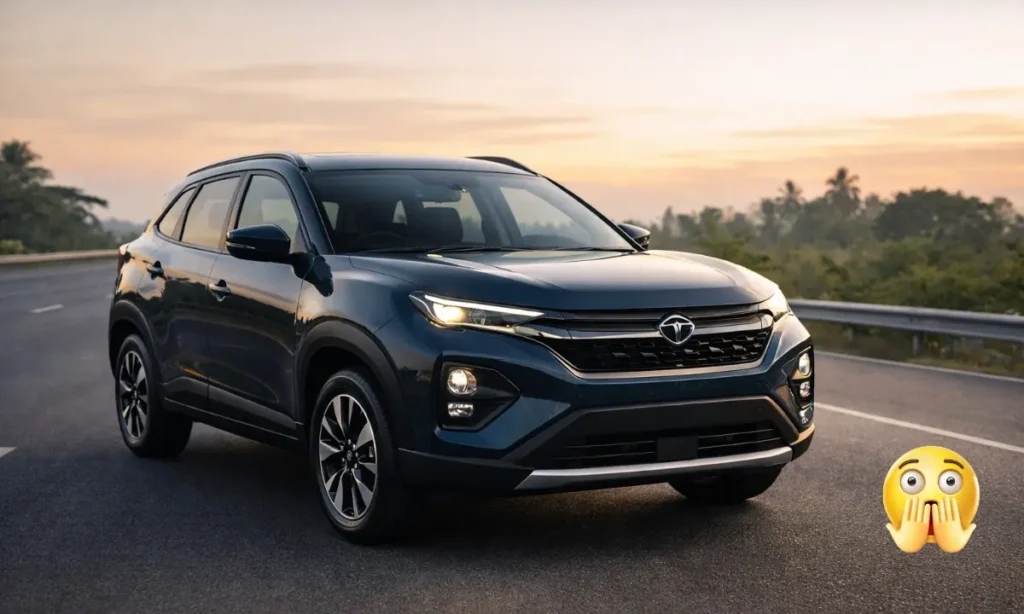
What’s New in the Tata Harrier 2025 Facelift?
The Tata Harrier 2025 facelift focuses on technology, cabin experience, and safety, not just cosmetic tweaks. Tata has clearly listened to customer feedback—especially from buyers who loved the Harrier’s road presence but wanted a more modern interior experience.
The SUV still feels solid and planted, but now it feels smarter too.
Exterior Changes: Familiar, But Sharper
From the outside, the Harrier facelift won’t confuse existing owners—and that’s a good thing.
Key updates include:
- Revised LED DRLs with a cleaner light signature
- Updated front grille with a more premium finish
- New alloy wheel design that finally matches the SUV’s size
- Subtle rear bumper changes for a wider stance
This design approach keeps the Harrier masculine and avoids unnecessary drama. It still looks like a proper Indian SUV, not a soft crossover trying too hard.
Read more.
Maruti Fornx on Road Price in Bangalore.
Interior Upgrade: This Is Where Tata Has Levelled Up
Step inside, and the improvement becomes obvious.
Bigger Screens, Better Interface
The Tata Harrier 2025 facelift now gets:
- A large touchscreen infotainment system
- A fully digital instrument cluster
- Improved graphics and smoother response
The UI feels more intuitive than before, which matters when you drive daily. Touch lag was a common complaint earlier—this update addresses it well.
Cabin Quality and Comfort
- Better dashboard materials
- Improved seat cushioning for long drives
- Panoramic sunroof that adds genuine airiness
This cabin finally feels worthy of the Harrier’s price bracket.
Engine and Performance Just Reliability
Here’s where Tata stayed sensible.
The Harrier continues with the trusted 2.0-litre diesel engine, which is a smart move. This motor delivers strong mid-range torque—perfect for highways and overtakes.
- Power delivery remains smooth.
- Highway stability is excellent.
- Ride comfort on bad roads is still among the best.
I’m glad Tata didn’t experiment unnecessarily here. Buyers value reliability more than headline-grabbing changes.
Safety Features: Tata’s Biggest Strength Continues
Safety remains one of the strongest reasons to choose the Tata Harrier 2025 facelift.
Expected highlights include:
- Multiple airbags as standard
- Advanced driver assistance features are in the top variants.
- Strong body structure based on proven architecture
Tata’s safety record adds trust, especially for family buyers.
Technology That Feels Useful
Many SUVs add features just for marketing. The Harrier facelift feels more thoughtful.
Useful additions include:
- 360-degree camera for tight city parking
- Connected car features that actually work reliably
- Improved climate control logic
These are small things, but they reduce daily frustration—something spec sheets never explain.
Expected Price and Value Proposition
The Tata Harrier 2025 facelift is expected to see a moderate price increase, which feels justified given the interior and tech upgrades.
For buyers comparing it with rivals, the Harrier still offers:
- Better road presence
- Strong diesel performance
- High safety confidence
It may not be the cheapest, but it delivers solid value.
My Honest Take on the Tata Harrier 2025 Facelift
As someone who has tracked the Harrier’s journey from its first launch to today, the Tata Harrier 2025 facelift feels less like a cosmetic update and more like a course correction done right. Tata didn’t chase gimmicks this time. Instead, it focused on fixing the exact complaints real owners had—interior tech, usability, and overall premium feel.
What stands out to me is Tata’s restraint. They resisted the urge to redesign the SUV completely or mess with a diesel engine that already performs well in Indian conditions. That decision shows maturity. The Harrier’s road presence, ride comfort, and highway stability were never the problem—its cabin experience was. The 2025 update finally closes that gap.
The addition of a petrol option (where available) also opens the Harrier to a wider audience who were earlier forced to look elsewhere. This move feels future-proof, especially as diesel preferences slowly change in urban India.
In simple words, the Tata Harrier 2025 facelift doesn’t try to impress you in the showroom alone—it makes more sense after six months of ownership. And that’s the kind of upgrade that actually matters. If you want an SUV that feels solid, safe, and thoughtfully updated rather than flashy, the Harrier now deserves serious consideration again.
FAQs: Tata Harrier 2025 Facelift
Is the Tata Harrier 2025 facelift a completely new model?
No. It is a facelift with major interior and technology upgrades, while retaining the same core platform and engine.
Does the Tata Harrier 2025 facelift get a petrol engine?
As of now, the Harrier continues with the diesel engine only. Tata has not confirmed a petrol option.
Is the Tata Harrier 2025 facelift good for long highway drives?
Yes. The ride comfort, engine torque, and cabin stability make it very comfortable for long-distance travel.
What is the biggest improvement in the facelift?
The interior technology—especially the digital displays and infotainment system—is the biggest upgrade.
Should existing Harrier owners upgrade?
If you value better tech and a premium cabin feel, the upgrade makes sense. Otherwise, the older Harrier still remains mechanically strong.
Final Verdict:
The Tata Harrier 2025 facelift doesn’t chase trends—it refines purpose. And that’s why it deserves attention, not just clicks.
“For official specifications and updates, Tata Motors’